
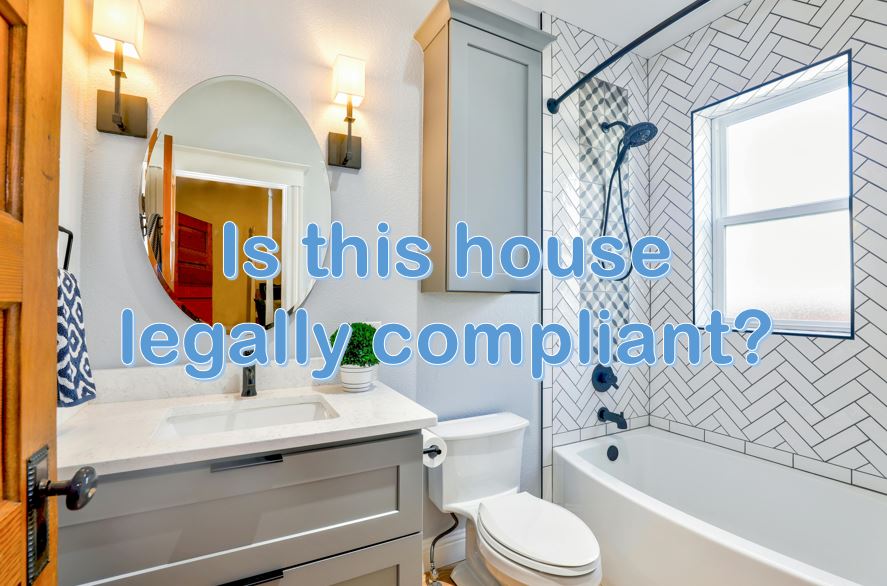
Some of the renovations that can trigger code compliance issues are structural, roofing, flooring, electrical, plumbing, bathroom and kitchen upgrades, A/C changeout, hurricane protection.
This is why the importance of renovations and pre-purchasing inspections, in order to confirm that all work has been done with permits, and up to local city/county codes.
Homeowner Compliance Checklist Tips
- Emphasize to the contractor that the renovation process isn’t complete until all legal steps are taken.
- Make sure all permits have been pulled and properly closed, before to remit the final payment.
- Schedule a final building inspection with the City/County department.
- Obtain a Certificate of Completion (COC) or Certificate of Occupancy (CO).
Purchaser Compliance Checklist
- Consider asking for an inspection period.
- Consider requesting the Seller to provide a Seller Disclosure.
- If the property shows signs of updates/renovations, do a Due Diligence search to verify all permits were properly pulled and closed.
- Check for code violations or liens with the local City/County building department.
- Contact the City/County authorities with any question you may have.
Avoid Costly Mistakes
Failing to meet building codes can impact insurance premium, and also trigger penalties, fines, liens for unpermitted work, and trigger costly expenses associated to legalize past unpermitted renovations.
Sometimes this information does not come up in a Title Search, therefore is of a vital importance to confirm this information with the City/County authorities, before to close on a purchase transaction.
#FloridaHomebuyers #FloridaRealEstate #MovingToFlorida #SouthFloridaHomes #AssetFieldPro
