
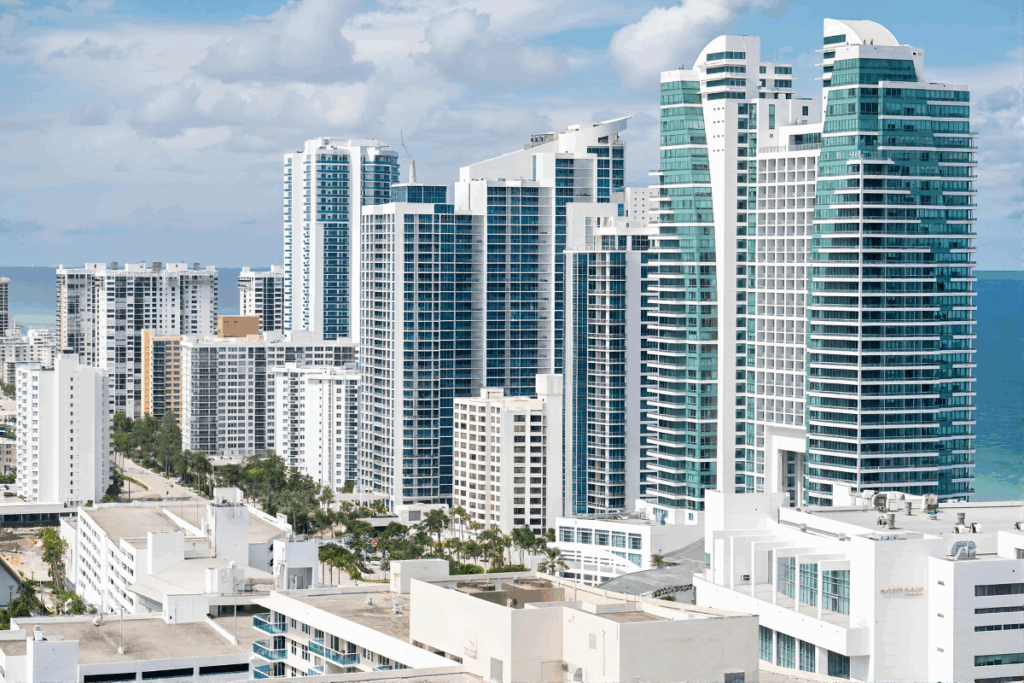
The condominium market is currently under considerable pressure, impacting everything from maintenance budgets to long-term preservation strategies.
Following the tragic collapse of Champlain Towers South in Surfside in 2021, Florida implemented stricter regulations to enhance safety for condominium building.
Key provisions of these new laws include:
- Condominium buildings of three stories or more are now required to undergo major structural inspections once they reach specified ages.
- Associations are obligated to submit the results of these inspections and ensure that reserve funds are fully allocated to cover upcoming repairs and replacements.
As inspections uncover aging elements and previously postponed maintenance, many condominium associations are now confronted with:
- Substantial repair expenses for structural work
- Overdue updates to critical building system
- Special assessments billed to unit owner
Postponing Maintenance Is No Longer an Option
Prior to the implementation of these new regulations, many older condominium buildings put off major repairs — particularly on roofs, balconies, common areas, and mechanical systems — due to limited budgets. Today delaying maintenance comes with significant financial consequences for associations.
Action Steps for Condo Owners and Boards
- Inform Owners About Maintenance Responsibilities
Help residents understand how reserve studies, regular inspections, and proactive upkeep safeguard long-term property values and protect their investment.
2. Partner with Professional Preservation Expert. Hire preservation specialists to provide:
- Comprehensive property condition evaluations
- Ongoing preventive maintenance programs
- Accurate documentation for insurance purposes and regulatory compliance
3. Take a Proactive Financial Approach
Planning and budgeting for maintenance in advance — rather than waiting for inspections to reveal urgent issues — can prevent sudden special assessments that place financial strain on owners and negatively affect resale values.
